If you've decided you'd like to try reiki, the next step is finding a practitioner you feel comfortable with. Here's what to look for, the questions worth asking, and what a typical first session involves.
Where to Find a Reiki Healer
Holistic health directories, local wellness centres, and word-of-mouth recommendations are usually the best starting points. Many massage and complementary therapy clinics also offer reiki alongside other treatments, which can be a comfortable way to try it for the first time in a familiar setting.
If you're new to this entirely, it's worth reading our beginner's guide to reiki first, so you know roughly what to expect before you start contacting practitioners.

Questions to Ask a Reiki Practitioner Before You Book
A reputable practitioner should be happy to answer straightforward questions before you commit to a session:
- How long have you been practising reiki, and what training or certification do you hold?
- What does a typical session involve, step by step?
- How long does a session usually last, and what's the cost?
- Do you have experience with anything specific I'm hoping a session might help with?
Reiki isn't subject to statutory regulation in the same way medical professions are, so there's no single official licensing body to check against. Most practitioners hold certifications from a recognised reiki training lineage, which is reasonable to ask about directly.
What a First Reiki Session Typically Looks Like
Expect a brief conversation beforehand about why you're there and any relevant health information, followed by the session itself: lying down, fully clothed, while the practitioner places their hands lightly on or just above different areas of your body for a few minutes each. The room is usually quiet, dimly lit, and calm.
Most people describe feeling warmth, light tingling, or simply deep relaxation — and it's equally normal to feel nothing especially dramatic at all. Afterward, the practitioner may briefly check in about how you're feeling.
"A reputable practitioner will describe reiki as complementary to your wellbeing — not as a cure for a specific medical condition."
Spotting a Reputable Reiki Practitioner
Look for realistic, measured claims rather than promises to cure or treat specific medical conditions. A reputable practitioner is generally upfront that reiki is complementary, not a replacement for medical or psychological care, and will be happy to discuss their training and experience without being defensive about it.
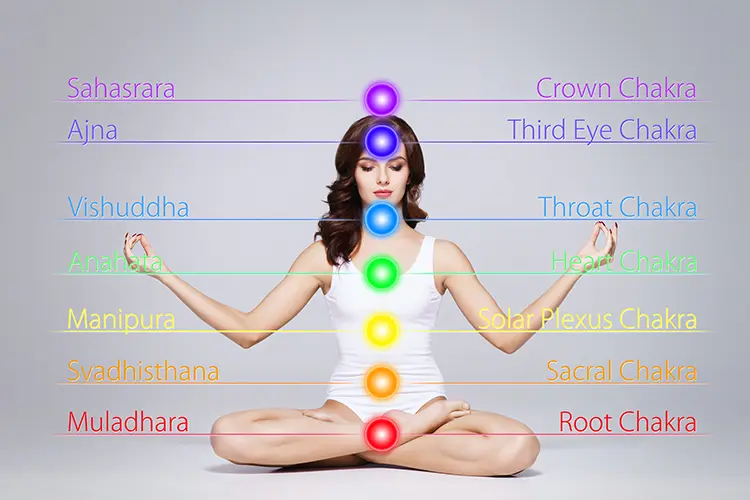
If you're still curious about the underlying concept of chakras that often comes up in this space, our guide to chakras explains it separately from reiki itself.
New to reiki entirely? Start with the basics.
What Is Reiki? A Beginner's GuideFrequently Asked Questions
Ask how long they've been practising, what training or certification they hold, what a typical session involves, and whether they have experience with anything specific you're hoping to address. A practitioner happy to answer these clearly is a good sign.
Reiki isn't subject to the same statutory regulation as medical professions in most countries, including Ireland. Many practitioners hold certifications from recognised reiki training lineages, which is worth asking about, but there's no single official licensing body.
Most people report feeling warmth, light tingling, or simply deep relaxation, sometimes drifting into a light sleep. Reactions vary from person to person, and feeling nothing dramatic at all is also a completely normal response.
Look for clear communication about their training, realistic claims about what reiki can offer (rather than promises to cure specific medical conditions), and a calm, professional treatment space. Reviews and personal recommendations are also useful.
Mindfulness Matters
Plain-English guides to meditation, yoga, and energy healing — written for people who are curious but new, with no jargon and no pressure to "get it right" straight away.