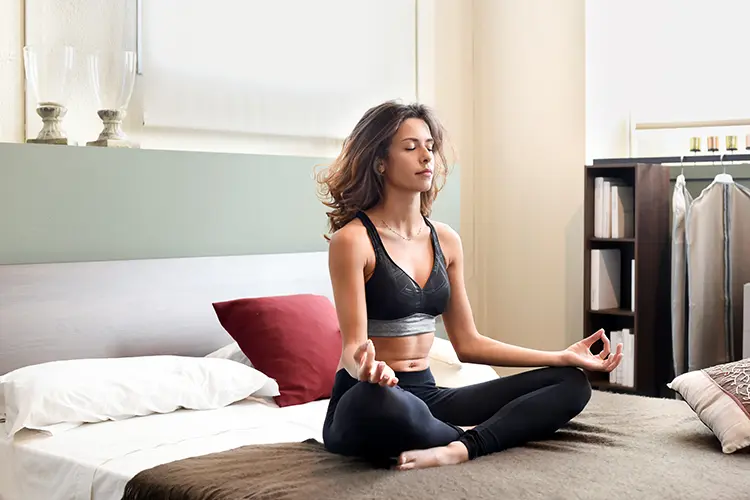
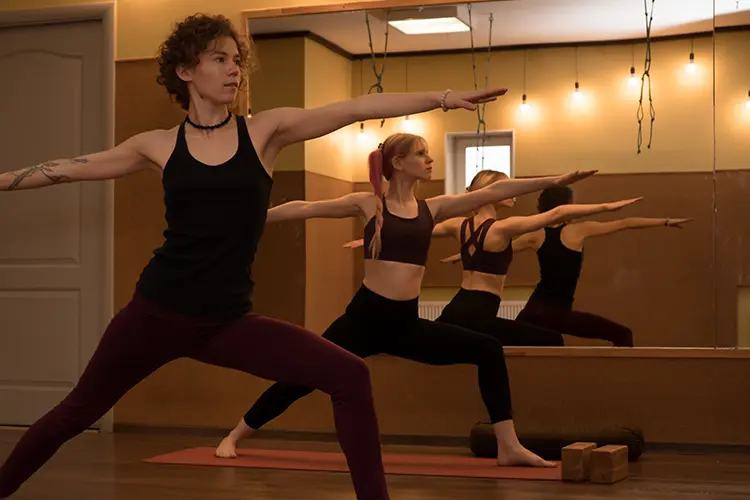
Walking into your first yoga class is usually more daunting in your head than it is in reality. Most beginner classes are friendlier, slower, and less intimidating than people expect — and the nervous feeling itself is exactly the kind of thing yoga has been shown to help with over time. Here's exactly what tends to happen, step by step.
Before Your First Yoga Class
Wear comfortable, stretchy clothing you can move in — leggings or shorts with a fitted top are the standard choice, since loose clothing can ride up or fall over your head during certain poses. Most studios rent or lend mats for first-timers, so you don't need to buy your own in advance.
Avoid eating a heavy meal in the two hours before class; a light snack is fine if you need the energy. Bring a water bottle, and aim to arrive 10–15 minutes early to fill out any forms and let the instructor know it's your first time.
What Happens in a Beginner Yoga Class
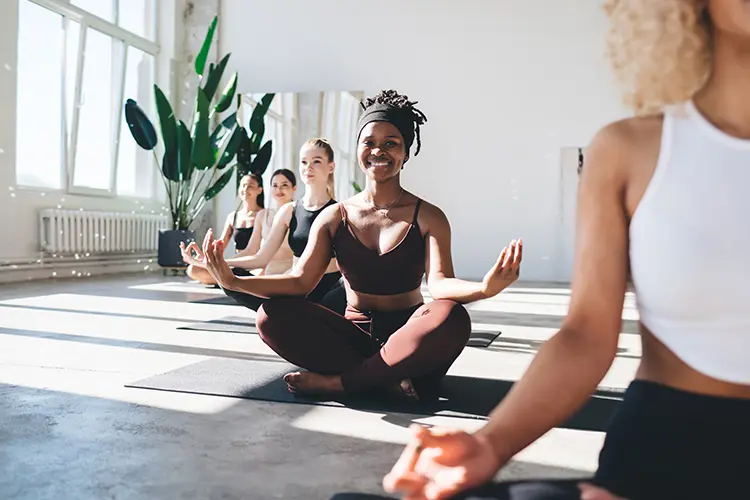
Most beginner classes follow a similar shape: a few minutes of settling in and breathing, a gentle warm-up, a sequence of poses (often linked together in a flow), a few minutes of more challenging or balance-focused poses, and a final relaxation at the end, usually lying flat on your back.
The instructor will demonstrate each pose and usually offer modifications for different ability levels. You're never expected to match the most advanced version shown — modified versions count just as much.
- It's completely fine to skip a pose or rest in child's pose at any point
- Instructors expect a range of flexibility and ability in every class
- Most studios encourage you to mention you're new before class starts
- You won't be expected to know any yoga terminology in advance
Common Beginner Yoga Worries (and Why They're Overblown)
"I'm not flexible enough" is the most common fear, but flexibility is something yoga builds over time — it's not a prerequisite to start. "Everyone will be staring at me" is another common worry that rarely holds up; most people in a yoga class are focused entirely on their own mat and breathing, not watching anyone else.
If the idea of a busy class still feels like too much, smaller studios or private intro sessions can ease you in more gently before joining a larger group class. There's reasonable evidence behind this nervousness easing with practice too: a 2018 meta-analysis of randomised controlled trials found yoga produced small-to-large reductions in anxiety depending on the comparison group, with no increase in reported injuries across the studies reviewed. You can read the meta-analysis via PubMed.
"Nobody at a beginner's yoga class is judging your form. Most people there are working through the exact same nerves you are."
Choosing Your Next Yoga Class
Once you've tried a beginner or "all levels" class, you might start wondering which specific style suits you best, or whether a hot yoga studio is worth trying. Our guide to yoga styles breaks down the most common options, and our hot yoga vs. regular yoga comparison covers the heated-room question specifically.
Curious about the difference between yoga styles before booking your next class?
A Plain-English Guide to Yoga StylesFrequently Asked Questions
Comfortable, stretchy clothing you can move freely in — leggings or shorts and a fitted top work well. Avoid anything too loose, since it can fall over your head during certain poses.
Most studios have mats available to rent or borrow for your first visit, so you don't need to buy one in advance. If you continue going, picking up your own mat is worthwhile for hygiene and comfort.
That's expected and completely normal for a first class. Good instructors offer modifications for every pose, and it's entirely acceptable to skip a pose or rest in child's pose at any point during the class.
Aim to arrive 10–15 minutes early. This gives you time to fill out any paperwork, get a mat, and mention to the instructor that it's your first class — most are happy to keep an eye on you.
Unlikely — beginner and "all levels" classes attract a wide mix of experience levels, and most people are too focused on their own mat to notice anyone else's.
Mindfulness Matters
Plain-English guides to meditation, yoga, and energy healing — written for people who are curious but new, with no jargon and no pressure to "get it right" straight away.