Reiki gets mentioned a lot without much explanation of what it actually involves. Here's a straightforward introduction: what reiki is, what happens during a session, and what you can reasonably expect if you decide to try it.
Where Reiki Comes From
Reiki was developed in Japan in the early 20th century by Mikao Usui. The word combines "rei" (often translated as spiritual or mysterious) and "ki" (life energy), and the practice is built around the idea that a practitioner can channel this energy through light touch to support relaxation and wellbeing.
It spread internationally over the following decades and is now practised worldwide, usually as a complementary therapy alongside — not instead of — conventional healthcare.
What Happens in a Reiki Session
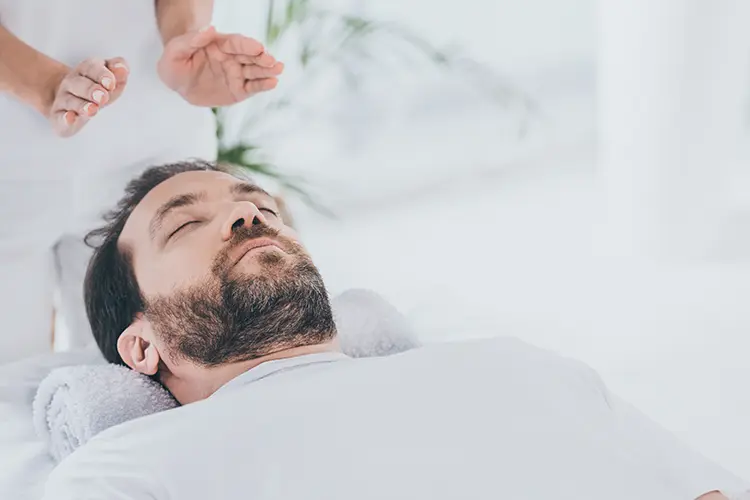
You'll usually lie down, fully clothed, on a treatment table similar to a massage table. The practitioner places their hands lightly on or just above different areas of your body — often starting at the head and moving down — holding each position for a few minutes before moving on. There's no pressure, manipulation, or massage involved; it's simply stillness and light touch.
Sessions typically last 45 minutes to an hour. Many people describe the experience as deeply relaxing, sometimes drifting into a light sleep, similar to how some people respond to a quiet massage.
- Sessions are done fully clothed, lying on a treatment table
- Touch is light or hands-near-body, with no physical manipulation
- A typical session lasts 45 minutes to an hour
- Most people report feeling calm and relaxed afterward
What Reiki Can (and Can't) Reasonably Offer
Reiki is best understood as a complementary relaxation practice rather than a medically proven treatment for any specific condition. A systematic review of randomised clinical trials concluded that the evidence is insufficient to call reiki an effective treatment for any condition, while also noting that some individual trials reported benefits for outcomes like pain and anxiety — overall, the research base is small and mixed rather than conclusive either way. You can read the review via PubMed.
What does seem real is the relaxation response itself — slower breathing, reduced muscle tension — which many people experience during a calm session, whether from reiki specifically or simply from quiet, restful time.
It's generally used alongside, not instead of, conventional medical or mental health care, and most reputable practitioners are upfront about this distinction.
"Reiki's main, well-supported benefit is the relaxation response itself — feeling calmer, with lower stress, after a quiet session of focused attention and stillness."
Where the Idea of "Energy Centres" Comes In
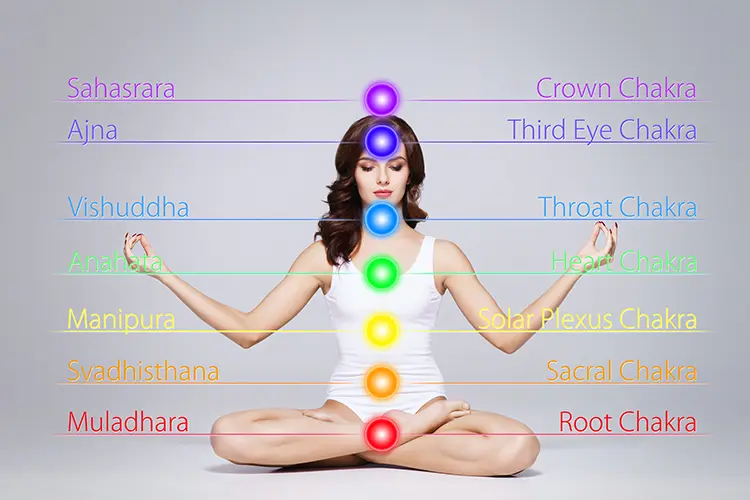
You may have heard reiki practitioners or others in this space talk about "chakras" — a concept from older yogic traditions describing specific points in the body associated with different aspects of wellbeing. It's a separate (though related) idea to reiki itself, and our guide to chakras explains the concept on its own terms.
If you're ready to try reiki for yourself, our guide on how to find a reiki healer near you covers what to look for in a practitioner and what questions are worth asking before booking.
Ready to try a session? Here's how to find a practitioner.
How to Find a Reiki Healer Near YouFrequently Asked Questions
Reiki is best understood as a complementary relaxation practice rather than a medically proven treatment. Research on its effects is limited and mixed, though many people report feeling genuinely calmer and more relaxed after a session.
No. Reiki originated in Japan in the early 20th century and isn't tied to any specific religion, though it draws loosely on ideas about life energy found in several spiritual traditions. You don't need any particular belief system to try it.
Prices vary widely by practitioner and location, but a typical session often falls somewhere in a similar range to a massage appointment. It's worth checking pricing directly with practitioners in your area.
No. Reiki is generally used alongside, not instead of, conventional medical or mental health care. It's best thought of as a relaxation practice rather than a treatment for any diagnosed condition.
Mindfulness Matters
Plain-English guides to meditation, yoga, and energy healing — written for people who are curious but new, with no jargon and no pressure to "get it right" straight away.