Walk into any studio's class timetable and you'll see a list of unfamiliar words — Hatha, Vinyasa, Yin, Kundalini — with no explanation of what actually separates them. Here's what each one really means, in plain English.
Hatha: The Slow, Foundational Style
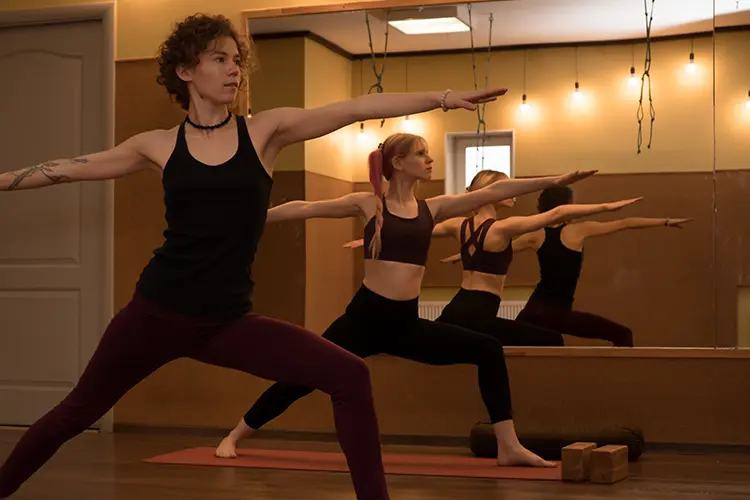
Hatha is often considered the most traditional and beginner-friendly style. Classes move at a moderate pace, holding each pose for a breath or several breaths before transitioning to the next. There's less continuous flow than Vinyasa, which makes it easier to focus on alignment and technique without feeling rushed.
If you're brand new to yoga, Hatha is usually the safest starting point. It builds the foundational poses that most other styles draw from.
Vinyasa: The Continuous Flow
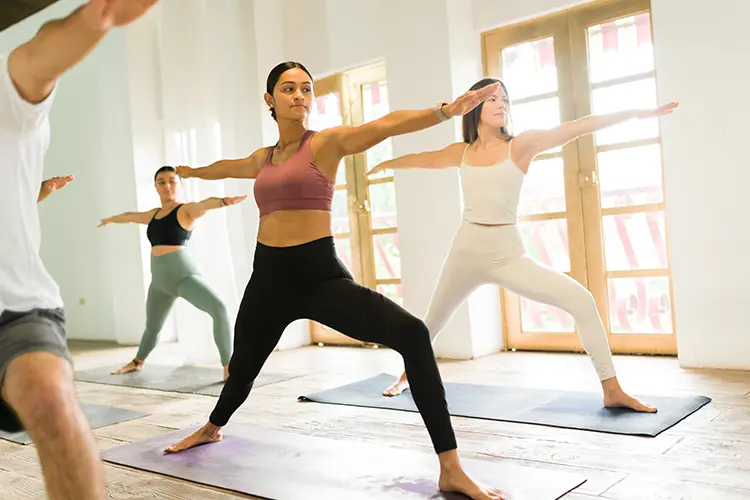
Vinyasa links poses together in a continuous, breath-synchronised sequence, often described as a "flow." Classes move faster than Hatha and feel more like a workout, with less time spent holding any single pose. It's a good fit once you're comfortable with the basic poses and want more physical intensity.
Yin: Slow, Passive, and Deeply Stretching
Yin yoga takes the opposite approach to Vinyasa. Poses are passive — usually seated or lying down — and held for several minutes at a time, sometimes up to five. The goal is to gently stretch connective tissue rather than actively engage muscles, which makes it feel meditative and slow-paced. It's popular as a complement to more active styles, or for people who want a gentler, more restorative practice.
Kundalini: Movement, Breath, and Chanting Combined
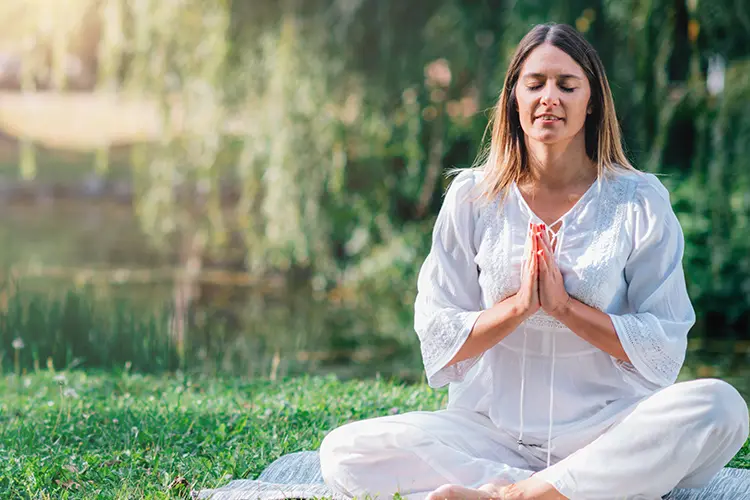
Kundalini yoga combines repetitive physical movements (called kriyas), specific breathing techniques, chanting, and meditation. It has roots in Sikh and yogic spiritual traditions and can feel more overtly spiritual than other styles, though you don't need to hold any particular belief to take a class. It's less about flexibility or strength and more about energy, breath, and focus.
A 2024 randomised controlled trial of university students found that a six-week online Kundalini yoga programme led to measurable improvements in self-compassion and spiritual wellbeing compared to control groups, though it found no significant difference in anxiety specifically. You can read the trial via PubMed.
- Hatha: slow-paced, beginner-friendly, focuses on alignment
- Vinyasa: continuous flow, faster pace, more physically demanding
- Yin: passive, long-held poses, deeply stretching and meditative
- Kundalini: movement, breathwork, and chanting combined
How to Choose a Yoga Style to Try First
If you're completely new to yoga, Hatha is the most forgiving entry point. If you've already been to a beginner's class and want more intensity, Vinyasa is a natural next step. If your main goal is deep stretching and relaxation rather than strength or cardio, Yin is worth exploring. Kundalini suits people drawn to the breathwork and meditative side of yoga more than the physical postures.
If you haven't taken any class yet, our guide to what to expect from your first class covers the practical basics before you choose a style.
"There's no single 'correct' yoga style — the right one is whichever you'll actually enjoy enough to keep showing up to."
Wondering whether to try a heated class too?
Hot Yoga vs. Regular YogaFrequently Asked Questions
Hatha is generally the gentlest entry point, with a slower pace and more time spent in each pose. Vinyasa and Kundalini are usually better suited to people with at least some prior experience.
Hatha moves through poses at a moderate pace with active muscle engagement. Yin holds passive, often seated or lying poses for several minutes at a time, targeting connective tissue rather than muscles.
Kundalini has roots in Sikh and yogic spiritual traditions and often includes chanting and meditation alongside movement, which can feel more spiritually framed than other styles. You don't need to hold any particular belief to attend a class.
Vinyasa and power yoga styles, which move continuously between poses at a brisker pace, tend to be more physically demanding and burn more calories than slower styles like Yin or Hatha.
Mindfulness Matters
Plain-English guides to meditation, yoga, and energy healing — written for people who are curious but new, with no jargon and no pressure to "get it right" straight away.